
Lăschia A quiet locality situated a short distance from Baia Mare, offering a calm, authentic, and well-connected setting, ideal for living and relaxation. Baia Mare Principalul centru urban al regiunii, cu centru istoric, muzee, restaurante și cafenele, oferind servicii complete și o viață culturală activă. Cavnic A mountain resort in Maramureș, appreciated for its ski slopes, winter landscapes, and authentic atmosphere.
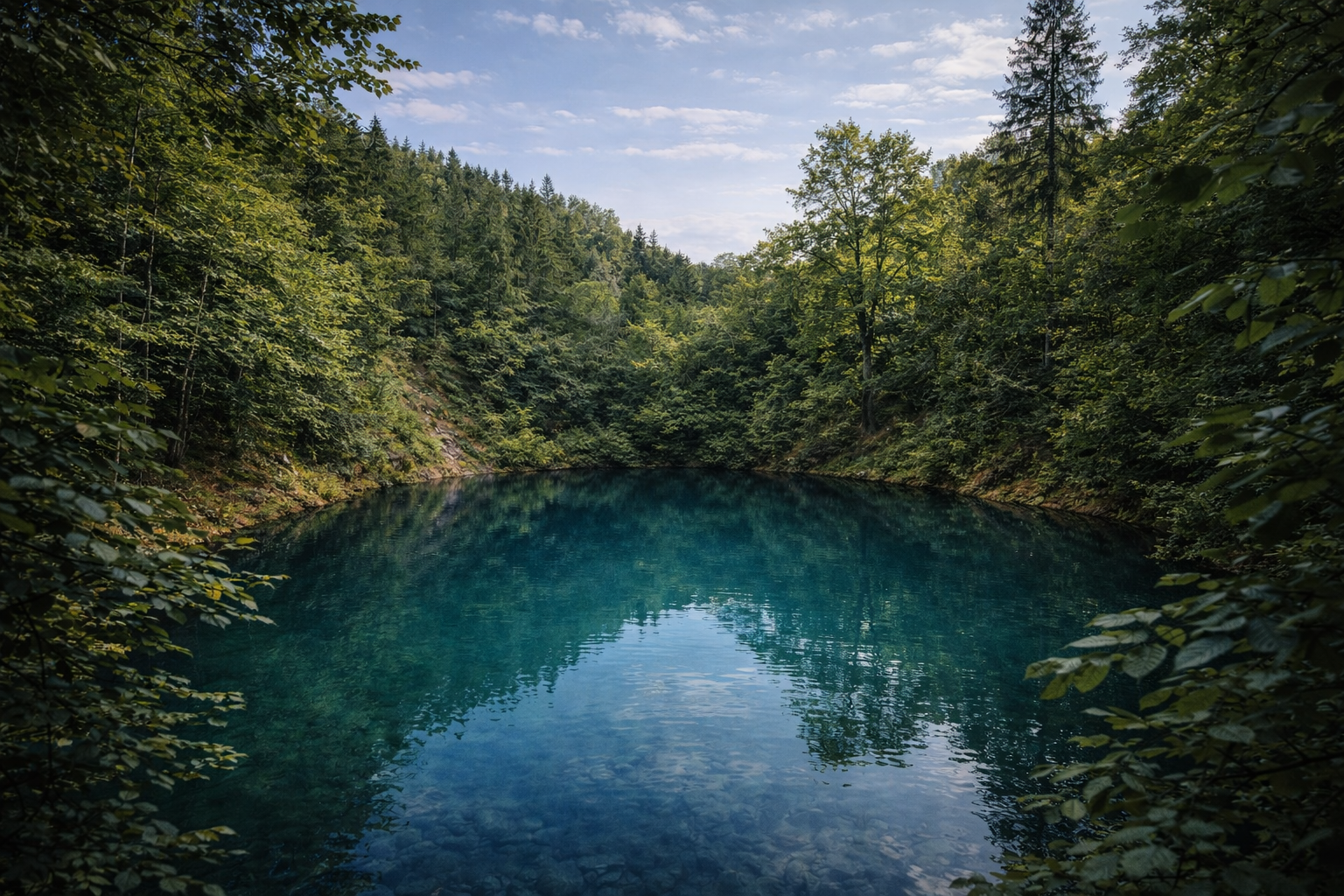
Mocănița Iconic steam train of the region, crossing spectacular natural landscapes and offering an authentic and memorable experience in the heart of Maramureș. the blue lake A spectacular natural site, renowned for its turquoise-blue color that changes with the light and the seasons. A peaceful corner of Maramureș, ideal for relaxation and authentic nature.

Location and accessibility

The property is located in Lăschia, a village belonging to the commune of Copalnic Mănăștur, approximately 26 km from Baia Mare, the main urban center of Maramureș County. Access to the city is quick, on well-maintained county roads, with a journey time of approximately 25–30 minutes by car.

This positioning offers an ideal balance between the tranquility of a rural area and the advantages of modern life, allowing easy access to all essential services: administrative institutions, hospitals, schools, shopping centers, restaurants, cafes, and areas of cultural interest.

At the same time, Lăschia retains its authentic and calm character, making it a suitable choice both for permanent residence and for a holiday residence or long-term investment, in a well-connected area, but away from the urban hustle.

Lăschia

LĂSCHIA – TRADITION AND IDENTITY

Lăschia is an authentic village in the heart of Maramureș, a place where time seems to flow at a gentler pace, preserving an unaltered bond between community, nature and faith. Set within a quiet, rolling landscape, the village reveals its charm through the simplicity of traditional architecture and the continuity of customs passed down from generation to generation.

Wooden houses, hand-carved gates and carefully tended gardens shape a coherent rural scenery, where natural materials and balanced proportions define the character of the place. Wood, the fundamental element of MaramureÈ™ constructions, expresses not only functionality but also cultural identity.

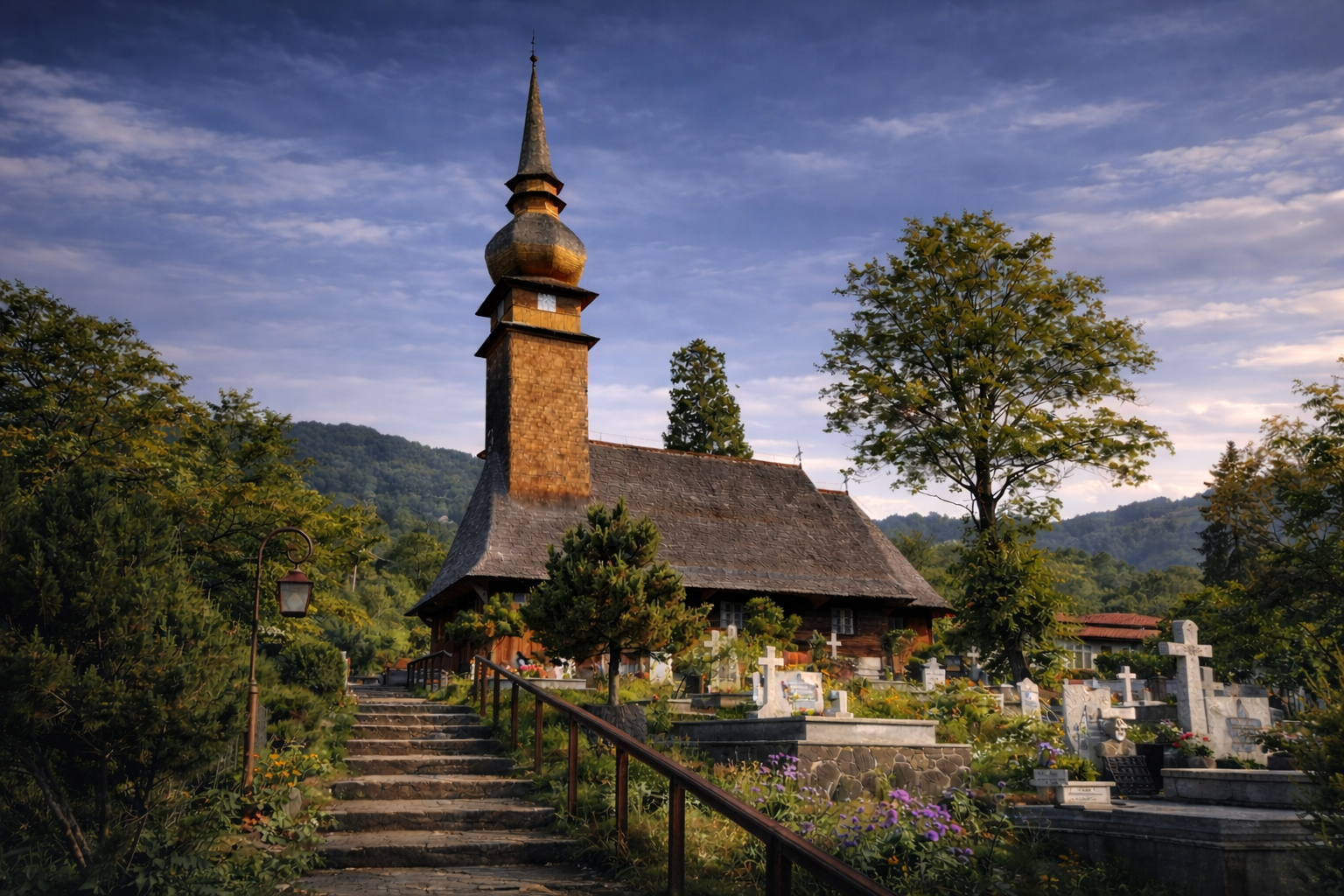
At the centre of the village stands the wooden church of  Lăschia, a monument of rare vertical elegance, built entirely of solid timber, without visible metal elements. Its slender tower rises discreetly above the landscape, and its silhouette, outlined against the sky, becomes both a visual landmark and a spiritual symbol of the community.

Inside, the church preserves the sober-sacred atmosphere typical of MaramureÈ™ sanctuaries, where traditional painting and the scent of aged wood create a deeply authentic experience. Around it, the old cemetery and the quiet of the surrounding hills strengthen the sense of continuity and belonging.

Lăschia is not merely a village, but a living expression of Maramureș tradition — a place where faith, craftsmanship and respect for nature form a rare balance within the contemporary world.

baia mare

THE VILLAGE MUSEUM OF BAIA MARE

The Village Museum of Baia Mare represents a refined expression of MaramureÈ™ cultural heritage, a place where tradition is preserved with dignity and passed forward within a setting of calm and authentic beauty.

This open-air museum brings together historic wooden households, intricately carved gates, agricultural buildings and a remarkable wooden church, all carefully restored to preserve the original spirit of the Transylvanian village. Each detail evokes an era in which elegance was expressed through natural materials and durability through masterful craftsmanship.

Wide pathways, green surroundings and the quiet atmosphere embracing the entire ensemble create a distinctive setting, ideal for contemplative walks and for an authentic encounter with the values of a region defined by strong identity.

Located a short distance from the property, the Village Museum discreetly enhances the character of the area and contributes to the quality of life experienced here — a rare balance between culture, nature and serenity, characteristic of the most appreciated places in the heart of Transylvania.

ST. STEPHEN’S TOWER

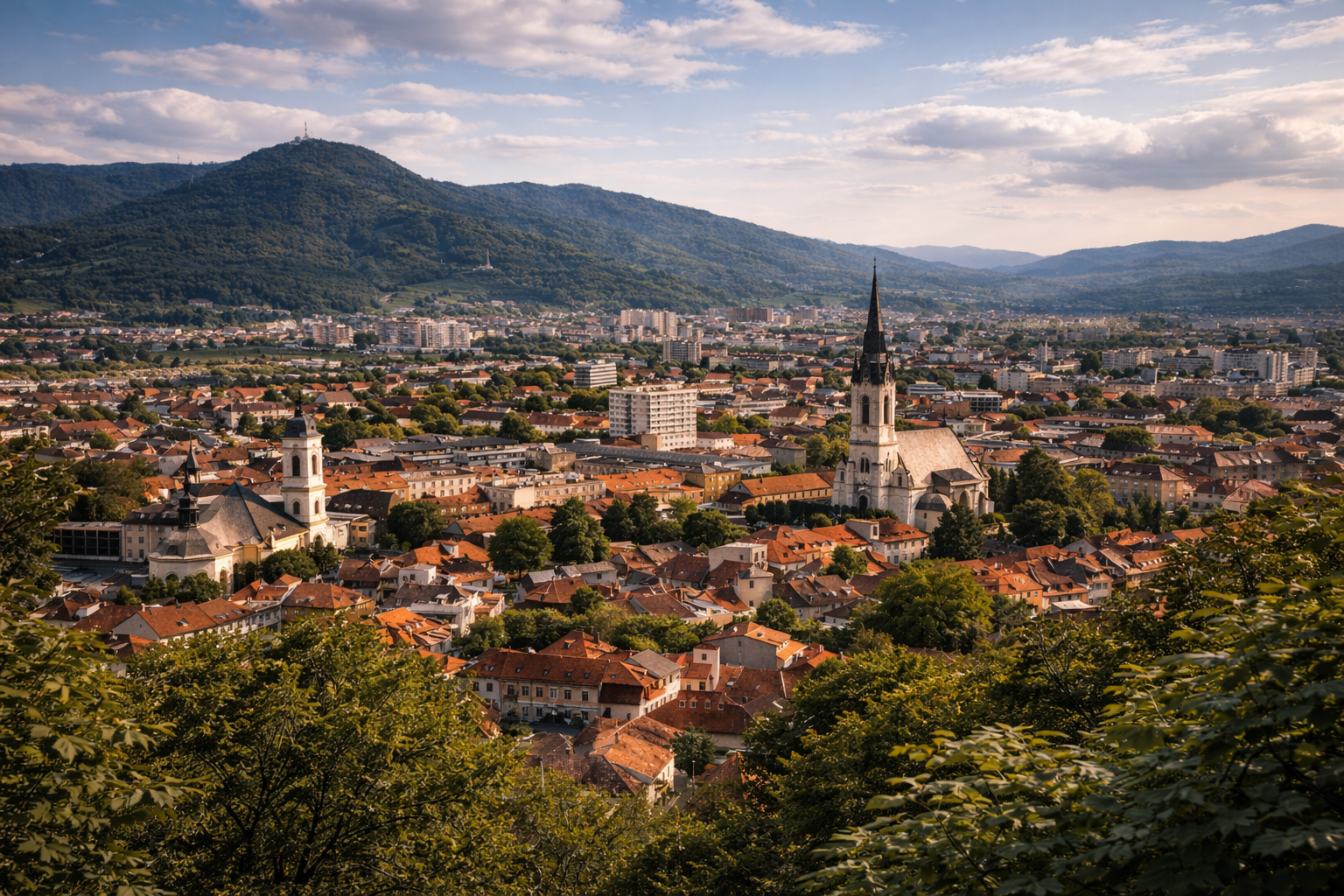
St. Stephen’s Tower rises above the historic centre of Baia Mare with a presence of calm and unmistakable nobility. Built in the 15th century, this Gothic monument is not merely an architectural relic, but a testimony to an era in which prosperity, discipline and faith shaped the spirit of the community.

Its balanced proportions, elegant verticality and finely crafted details lend the urban ensemble a distinction rarely encountered in towns of similar scale. The tower’s silhouette, visible from multiple points across the city, has become a symbol of stability and continuity, suggesting a strong and clearly defined local identity.

Today, St. Stephen’s Tower dominates an airy historic centre where restored buildings, quiet squares and a cultivated atmosphere evoke the character of traditional Central European towns. The proximity of this architectural landmark adds prestige to the area and discreetly enhances the appeal of properties situated within the immediate surroundings of such heritage.

LIBERTY SQUARE

Liberty Square represents the historic and symbolic heart of the city of Baia Mare — an urban space where the medieval past continues to breathe with discretion and dignity. Here, the balanced proportions of the buildings, the rhythm of the arcades and the warm tones of the façades compose a harmonious ensemble in which every detail contributes to an atmosphere of stability and refinement.

Founded upon the foundations of the former medieval citadel, the square served for centuries as the centre of commercial and social life. Merchants, craftsmen and guilds shaped the identity of the place, and the echo of that historical vitality is still reflected today in its sober and authentic character. The carefully maintained natural stone paving preserves the memory of the generations who once crossed it.

The historic buildings, restored with respect for their original architecture, combine Gothic, Renaissance and Baroque influences, offering a visual narrative of the region’s cultural evolution. Wrought-iron balconies, elegant window frames and discreet pediments express a well-defined Central European spirit, characteristic of Transylvania.

In the morning or at sunset, the light enhances the textures of the stone and the warm nuances of the façades, lending the square a calm, almost solemn expressiveness. The atmosphere is balanced and deeply rooted in identity — an authentic expression of Baia Mare and its urban tradition.

MARA PARK

Mara Park is one of the most carefully maintained and appreciated green spaces in Baia Mare, located in close proximity to the city centre. With its broad walkways, manicured lawns and geometrically arranged flower beds, the park offers an orderly and harmonious setting, ideal for unhurried strolls or moments of relaxation in the open air.

The fountain area forms the focal point of the park, where water, mature vegetation and open perspectives create a calm and balanced atmosphere. Benches positioned along the paths, shaded pergolas and tall trees provide comfort and a sense of intimacy, even within the urban fabric.

Mara Park belongs both to everyday life and to a slower rhythm — a space where nature is seamlessly integrated into the structure of the city. In every season, the area preserves its airy and pleasant character, remaining a green landmark of Baia Mare.

CAVNIC

WINTER, MOUNTAINS AND ALPINE ATMOSPHERE

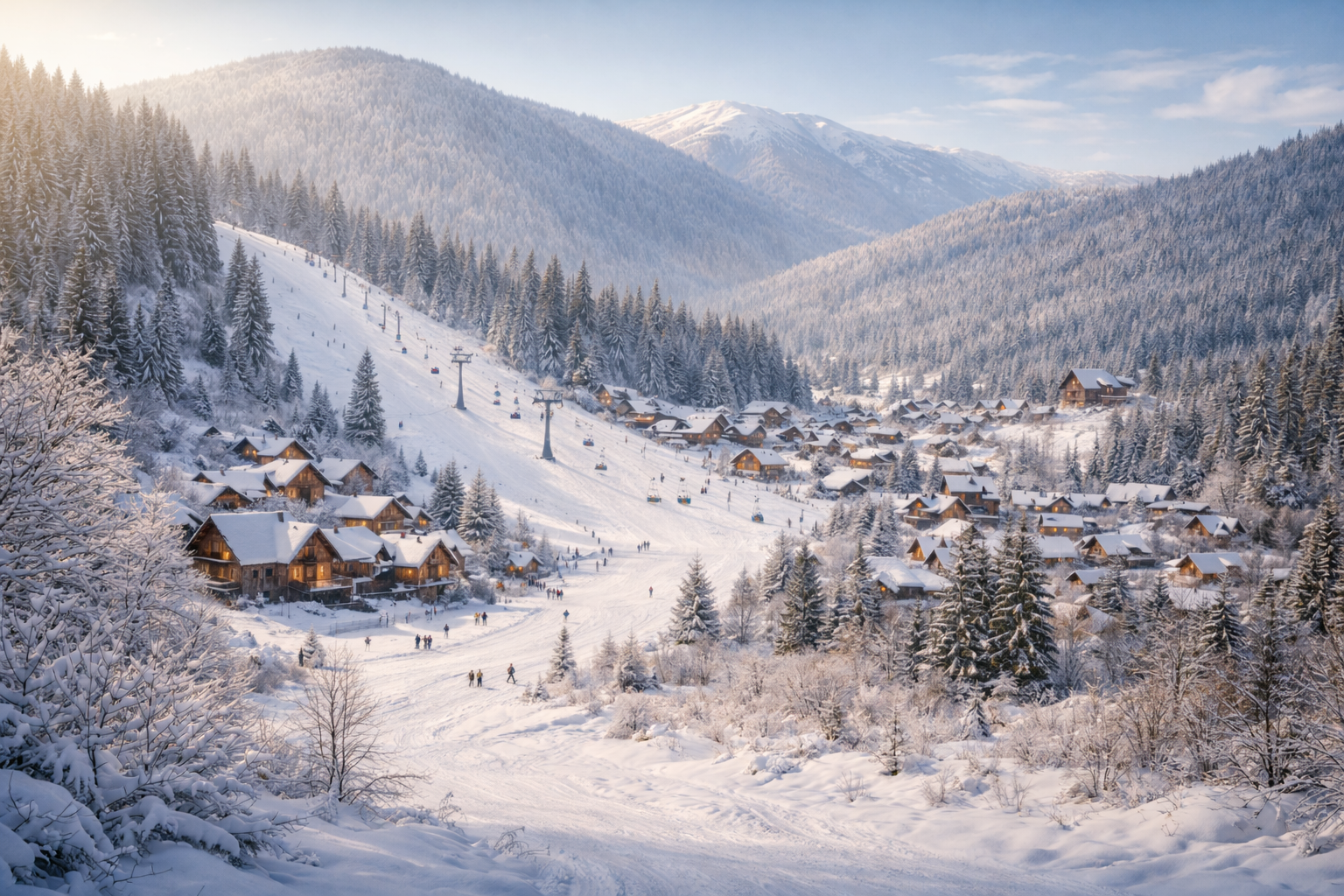
Cavnic is one of the most appreciated mountain destinations in MaramureÈ™, renowned for its winter landscapes, gentle mountain slopes and calm, authentic atmosphere. Set within a generous natural setting, the town offers a balanced interplay between vitality and tranquillity: lively enough for outdoor activities and sport, yet preserving a composed character distinctive to northern Transylvania.

In winter, Cavnic becomes a true white refuge. Snow-laden conifer forests, crisp air and clear, cool light create scenery of almost ceremonial beauty. The ski resort, harmoniously integrated into the landscape, attracts both families and winter sports enthusiasts, offering accessible slopes, beginner-friendly areas and routes suited to a relaxed rhythm.

Beyond the cold season, Cavnic retains its charm through green reliefs, winding roads and the quiet of its forests. Spring and summer reveal wide panoramas and a discreet sense of freedom, ideal for walking and contemplation. In autumn, the forests’ colours transform the area into a deep, warm-toned landscape, bathed in soft light.

Cavnic thus remains a complete destination: a mountain locality with identity, where nature prevails without ostentation and each season offers a distinct, coherent and authentic experience — precisely the kind of place that lends Maramureș its natural prestige

Mocănița

A JOURNEY THROUGH TIME, STEAM AND LANDSCAPE

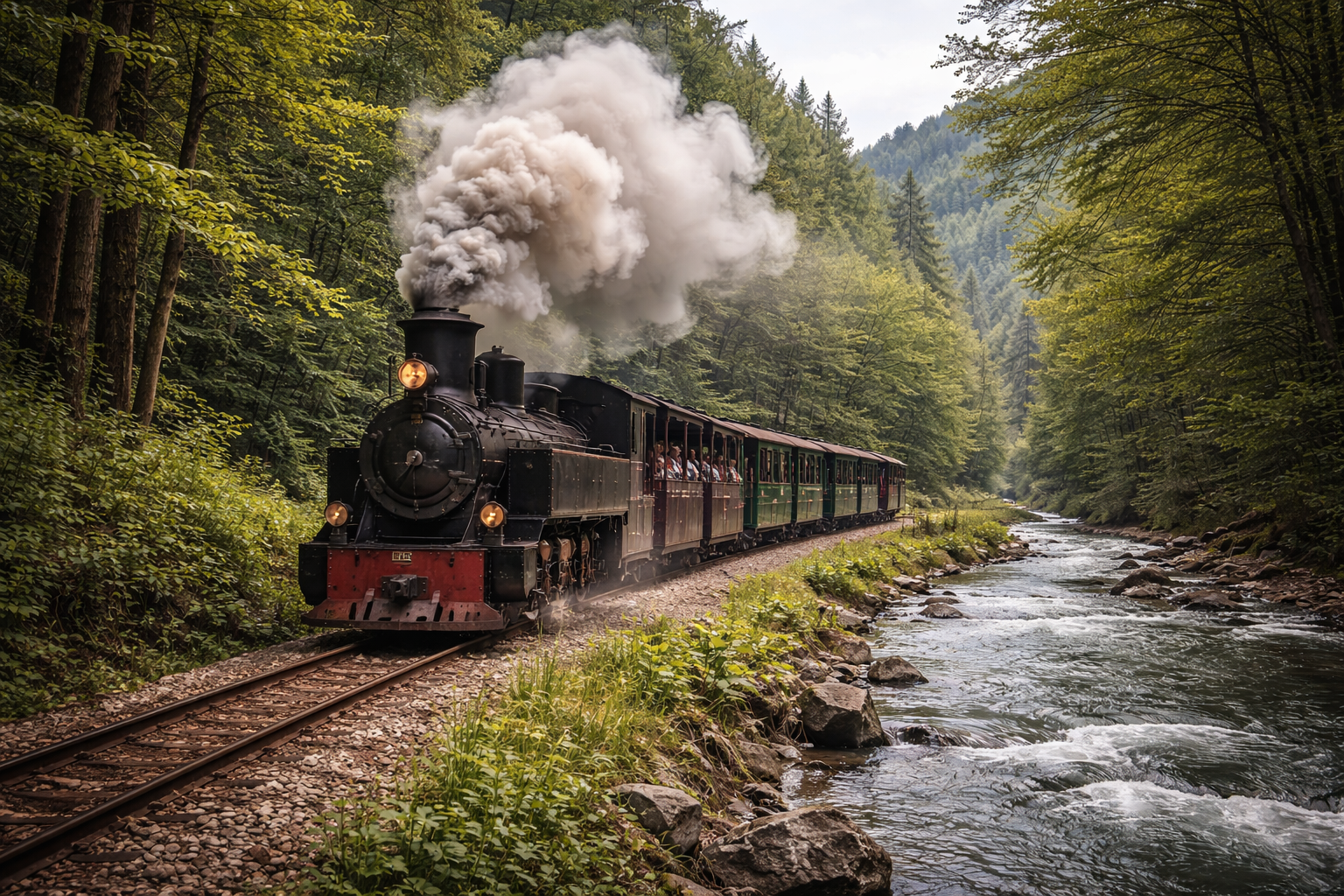
Mocănița is one of the most emblematic experiences of Maramureș and, at the same time, one of the few remaining forest railways operated by steam locomotive that still preserve the charm of a bygone era. It is not merely a means of transport, but a slow, almost ceremonial journey in which the landscape and the rhythm of wheels on rails become part of the story.

The route follows quiet valleys, dense forests and open meadows, tracing the natural lines of the terrain, far removed from contemporary agitation. The steam of the locomotive, the subtle scent of wood and iron, and the simple yet welcoming carriages create an experience that is both authentic and deeply memorable. Everything invites contemplation: light filtered through the conifers, streams accompanying the track and the silence of the mountains, interrupted only by the locomotive’s signal.

At the same time, Mocănița holds rare cultural value. It preserves the connection to the tradition of forestry work, to craftsmanship and to the pragmatic spirit of mountain communities, where timber was once both material and identity. Every detail — from rustic stations to small bridges and curved tracks — speaks of a technical and human heritage carefully safeguarded.

In every season, the experience shifts in expression without losing its character. In summer, vivid greens and clear air evoke a sense of freedom; in autumn, the forests transform the route into a warm, contemplative tableau; in winter, snow and steam compose a scene of almost unreal, quiet beauty.

Mocănița thus remains one of the most distinctive signatures of Maramureș: a meeting point between tradition, landscape and time, lived in a manner that is simple, authentic and quietly elegant.

WOODEN CHURCHES OF MARAMUREȘ

Spirituality, Verticality and Masterful Craftsmanship

The wooden churches of MaramureÈ™ represent one of the most valuable expressions of traditional Romanian architecture. Built entirely of solid timber, without visible metal elements, these sacred structures impress through their slender proportions, soaring spires and the perfect harmony between structure and landscape.

Erected between the 17th and 18th centuries, they reflect both the deep faith of local communities and the mastery of MaramureÈ™ carpenters, who transformed wood into a durable form of art. The steep roofs, hand-crafted shingles and finely carved details give each church a distinct identity, while preserving a remarkable stylistic coherence.

Often situated on gently elevated hills, surrounded by old cemeteries and natural vegetation, these monuments create an atmosphere of quiet sobriety. They do not dominate through monumentality, but through verticality and proportion — an elegant expression of tradition and spiritual continuity.

Visiting these churches means encountering a living heritage, where faith, architecture and nature coexist in a rare and deeply authentic balance.

Gutai Mountains

Volcanic Relief, Expansive Panoramas and Natural Identity

The Gutâi Mountains are among the most expressive mountain formations in northern Transylvania, defined by their volcanic origin and their striking landscapes. Steep ridges, time-sculpted rock formations and dense forests create a natural setting of quiet strength and unmistakable character.

The andesite formations, of which Creasta Cocoșului is the most emblematic, offer wide perspectives over the Maramureș depressions and the surrounding valleys. The verticality of the rock towers contrasts gracefully with the gentle lines of the hills, generating a visual balance between drama and harmony.

The area is appreciated for its accessible hiking trails, the tranquillity of its conifer forests and the crisp air typical of medium altitudes. In every season, the Gutâi Mountains transform without losing their identity: vibrant green in summer, warm tones in autumn, and clear, austere contours in winter.

The Gutâi Mountains do not impress through extreme altitude, but through proportion, clarity and authenticity — a coherent natural landscape that defines the silhouette and spirit of the Maramureș region.

The Blue Lake

A Rare Natural Phenomenon, Serenity and Unusual Colour

Lacul Albastru is one of the most unusual natural sites in Maramureș — a place where geology and light create a truly distinctive visual effect. Formed following the collapse of an old mining gallery, the lake gradually became a protected natural area, renowned for its unique ability to change the hue of its waters depending on light conditions and mineral composition.

Reflections range from deep blue to emerald green and subtle turquoise tones, giving the landscape a calm yet distinctly expressive character. Surrounded by forests and gentle relief, the lake blends harmoniously into its setting while retaining its singular identity.

The surrounding area preserves a peaceful atmosphere, ideal for short walks and moments of contemplation. It is not a spectacular site in scale, but in subtlety and balance — an example of how nature can transform an industrial past into a setting of unexpected beauty.

Lacul Albastru thus remains a rare natural landmark, where the chromatic depth of the water, the stillness of the forest and the history of the place converge in a discreet and authentic composition.